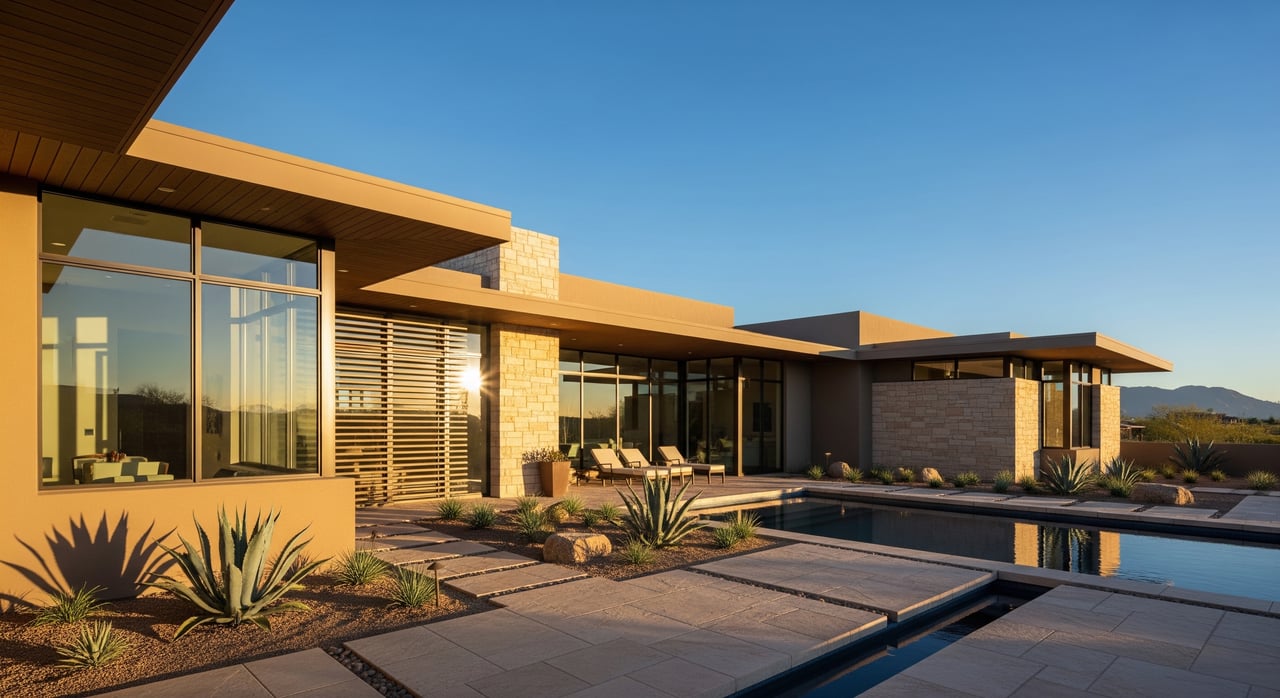
Is the direction your home faces really a big deal in Phoenix? If you have toured a few East Valley listings, you have likely heard agents point out north-south exposure and wondered why it matters. In our desert climate, sunlight and heat are powerful forces that shape comfort, bills, and daily routines.
In this guide, you will learn how orientation affects cooling, daylight, outdoor living, solar potential, and resale. You will also get simple tips to evaluate a home’s exposure on a tour and practical fixes if a house you love faces the “wrong” way. Let’s dive in.
Why orientation matters in Phoenix
Phoenix has long, hot summers with intense sun. Cooling is your largest seasonal energy need. Orientation determines which walls and windows take on direct sun and at what time of day. Those sun patterns drive indoor heat gain, glare, and peak AC demand.
Guidance from the U.S. Department of Energy explains how passive solar design, shading, and window choices change comfort and cooling loads in hot climates. If you understand how the sun hits each side of a home, you can choose spaces that stay comfortable and efficient without heavy retrofits. For an overview of passive solar basics, see the DOE’s primer on passive solar home design.
- Learn more: the DOE’s resource on passive solar design explains how sun angles, shading, and window placement affect heat and daylight. Visit the DOE’s guide on passive solar home design.
How each direction behaves
North-facing
North walls and windows get the least direct sun year-round. You get soft daylight with less glare and lower afternoon heat gain. Many Phoenix buyers like north exposure for main living areas because it stays cooler in summer. In winter, north rooms can feel a bit cooler, but Phoenix winters are usually mild.
South-facing
South sides receive dependable sun in winter and mid-day sun in summer. Because summer sun sits high in the sky, simple horizontal overhangs and covered patios can shade south windows well. South-facing roof planes are also ideal if you want photovoltaic panels.
East-facing
East windows get strong morning sun, which warms rooms early in the day. Bedrooms facing east may heat up sooner, though that load tapers off by afternoon. Well-placed trees or exterior shades can soften morning sun.
West-facing
West sides take harsh, low-angle sun in late afternoon and evening. This is the toughest exposure to shade with standard overhangs, and it often drives the highest cooling peaks. Exterior vertical shading, high-performance glass, and deep covered patios are the most effective fixes.
Bottom line: West is the most challenging orientation in summer, north and east are often easier to live with, and south can be great if it is shaded correctly and you want solar.
Energy, bills, and solar potential
Cooling dominates energy use in Phoenix. Orientation is a big driver because sunlit glass and walls pass heat indoors. The good news is that design details can offset most of the downside.
- Windows and glass. In hot-sun markets, low-emissivity coatings and a low Solar Heat Gain Coefficient help keep heat out. The DOE’s guidance on energy-efficient windows explains why lower SHGC glass is valuable on east and west exposures.
- Roof and attic. Roofs take the brunt of summer sun. Light-colored or reflective surfaces reduce heat absorption. The DOE’s overview of cool roofs outlines how reflective roofing and proper insulation control attic temperatures and reduce AC run time.
- Mechanical systems. Right-sized, efficient HVAC with good ductwork, zoning, and smart thermostats can smooth out hot spots from any exposure.
- Solar PV. In the Northern Hemisphere, south-facing roof planes generally produce the best annual output. You can estimate solar yield for a specific roof orientation with NREL’s PVWatts calculator. East and west arrays can still make sense, especially with time-of-use rates.
- Local incentives. Arizona utilities often offer rebates for efficient ACs, insulation, windows, and other upgrades. Check current programs from APS and SRP when planning improvements.
Helpful links:
- Explore passive solar basics: DOE Passive Solar Home Design.
- Choose better glass: DOE Energy-Efficient Windows.
- Reduce roof heat: DOE Cool Roofs.
- Estimate solar output: NREL PVWatts.
- Rebates and programs: APS Savings and Rebates; SRP Energy Rebates.
Resale and everyday living
Orientation can influence livability and resale, especially in neighborhoods where outdoor time matters. In many East Valley communities, buyers love shaded patios they can use after work. A backyard that faces west may need robust shading to stay comfortable at dinner time in July. On the flip side, a south-facing roof with room for panels can be a selling point for energy-minded buyers.
Energy features, thoughtful shading, and outdoor living upgrades usually attract attention. Orientation is one factor among many that buyers weigh alongside floor plan, location, proximity to schools and parks, and price. If you plan to spend afternoons outside or add solar, orientation may matter more to you.
How to evaluate orientation on a tour
Use this simple checklist while you walk through homes in Gilbert, Chandler, Queen Creek, or Ahwatukee:
- Confirm orientation. Use the phone compass. Stand in main living areas and note which direction the windows face.
- Map sun to room use. Identify west-facing glass in the kitchen, living room, or play spaces where you spend late afternoons.
- Check window size and shading. Large, unshaded west windows are a red flag for summer heat.
- Look at the roof for solar. Is there a clear, unshaded south-facing roof plane with enough area?
- Ask the right questions. Request recent electric bills, AC age and service history, attic insulation details, roof age, and any existing shading or exterior screens. Ask about any solar contracts if panels are present.
- Walk the yard. Which way does the backyard face, and is the patio covered? Are there shade trees on the west side?
Fixes and tradeoffs
West-side mitigation
- Add exterior vertical shading such as screens, roll-down shades, trellises, or deep covered patios.
- Upgrade to lower-SHGC windows or add solar-control films where full replacements are not in budget.
- Plant drought-tolerant shade trees on the west side and consider temporary shade sails while trees mature.
South-side management
- Use properly sized horizontal overhangs, pergolas, or covered patios to block high summer sun while allowing some winter sun.
- Add exterior shutters or adjustable screens for flexible control.
Roof, attic, and HVAC upgrades
- Consider cool roof materials or coatings to cut heat absorption.
- Improve attic insulation and evaluate radiant barriers to slow heat transfer.
- Right-size or upgrade AC, seal and insulate ducts, and add zoning or smart thermostats.
When to walk away vs manage
- Potential dealbreakers: Huge, unshaded west-facing glass in main living areas with no practical way to shade, roof planes that make your solar goals infeasible, or a lot shape that forces outdoor living into direct late-day sun without room for cover.
- Manageable tradeoffs: West-facing bedrooms that can be shaded, south-facing living rooms that already have overhangs, or orientation issues fixable with window upgrades, exterior shading, and attic improvements.
Putting it together for your East Valley search
Orientation will not make or break every home, but it does shape comfort and costs in Phoenix. If you love a floor plan, the right shading, glass, and roof choices can tame most exposure issues. If solar or late-day outdoor living is a priority, put more weight on south roof planes and avoiding unshaded west glass.
If you want help weighing these tradeoffs around Gilbert, Chandler, Queen Creek, or Ahwatukee, we are here to guide you. We will walk lots at different times of day, read sun patterns with you, and flag easy upgrades that make a real difference. Ready to find the right fit for your family and budget? Reach out to The Holmes Team for friendly, expert support.
FAQs
Is a north-facing house better in Phoenix?
- North-facing living areas often stay cooler with softer daylight, which helps in summer. If rooftop solar is a priority, consider that south-facing roof planes usually produce more PV energy.
Should I avoid west-facing windows in Phoenix homes?
- Not automatically. West exposures need stronger mitigation like exterior vertical shades, high-performance glass, and deeper porches, so focus on how much west glass there is and whether shading is feasible.
How much can orientation change my electric bill?
- Orientation affects cooling load and peak demand, but the size and quality of windows, roof and attic performance, and HVAC efficiency also play big roles. Always review recent bills and system details.
Do south-facing roofs make better solar?
- Yes. In our hemisphere, south-facing roof planes typically maximize annual PV output, though east and west arrays can still perform well depending on rates and roof shape.
Can landscaping solve exposure problems quickly?
- Trees help over time, but they take years to mature. Faster options include shade sails, retractable awnings, and exterior screens while new trees grow.
