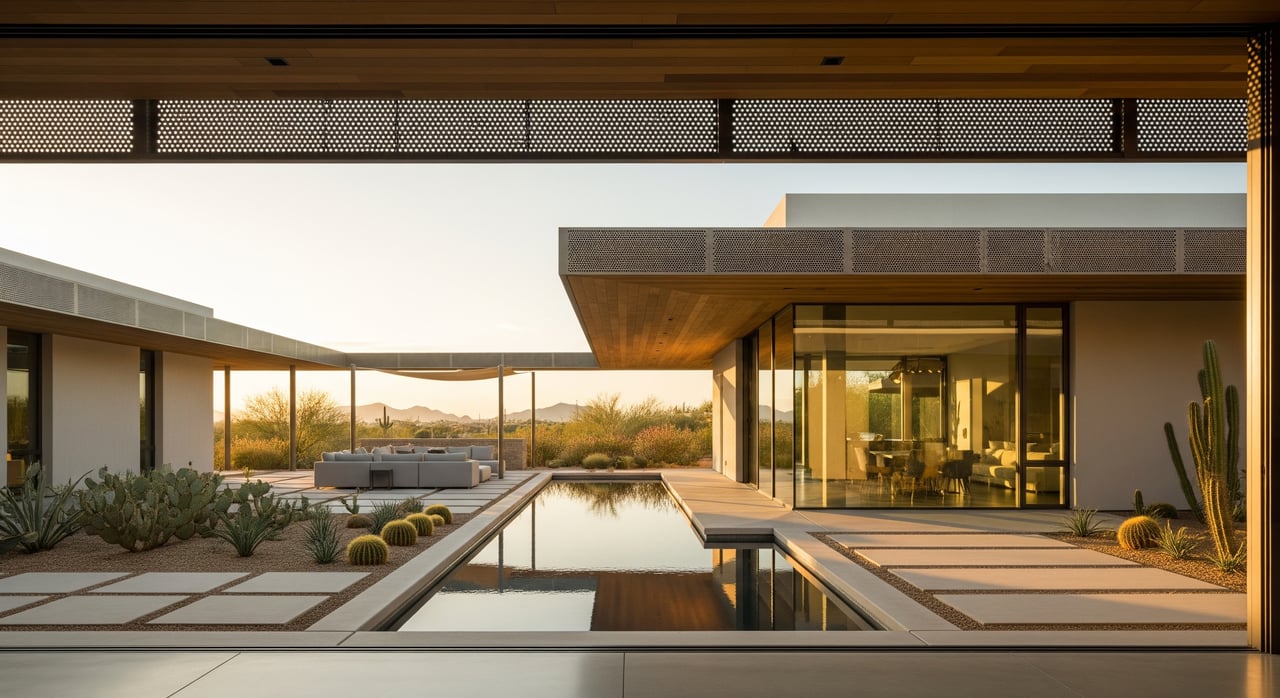
When summer hits Phoenix, your air conditioner becomes the MVP of your home. You feel it in your energy bill, your outdoor plans, and even how you judge a home the moment you pull up. If you’re buying or selling here, the heat shapes which features matter most, which upgrades make sense, and what affects resale. This guide breaks it all down so you can prioritize comfort, control costs, and position your home to stand out. Let’s dive in.
Phoenix heat at a glance
Phoenix has a hot desert climate with long summers and many triple-digit days. Heat often stretches from late spring into early fall. In built-up areas, the urban heat island effect raises nighttime temperatures, so homes hold heat longer.
Mid‑summer monsoon brings humidity spikes, dust storms, short heavy rain, and fast-moving thunderstorms. These patterns influence outdoor comfort, roof and drainage needs, and when you use outdoor spaces.
Cooling demand drives most summer electricity use and peaks in late afternoon and evening. That is why buyers care about efficient cooling systems, insulation, smart controls, and sometimes solar.
Water is a key consideration in this desert region. You’ll weigh outdoor living goals, like shade trees or a pool, against water use, irrigation efficiency, and HOA rules.
What buyers prioritize in Phoenix
Shade and orientation
- North-facing living areas and windows can reduce direct sun exposure.
- West-facing exposures see intense late-afternoon heat. Deep overhangs, trees, solar screens, or high-performance glazing help mitigate it.
- Covered patios, ramadas, and awnings extend usable outdoor time.
Energy efficiency and AC
- Central AC age, capacity, and SEER rating are top inspection items. Proper sizing and ducting matter for even cooling.
- Smart thermostats and zoned systems add control and savings.
- Documented maintenance and warranties increase confidence.
Windows, roof, and insulation
- Low-e, double-pane windows cut heat gain and improve comfort.
- Attic insulation and ventilation reduce heat transfer into living spaces.
- Light-colored or “cool” roofing and a roof in good condition help manage summer heat and support insurance and inspection outcomes.
Outdoor living features
- Covered patios, outdoor fans, and misting systems make spaces usable longer into the day.
- Well-placed shade structures and landscaping create cooler microclimates.
Materials and finishes
- Hard-surface flooring like tile, stone, concrete, or luxury vinyl feels cooler than wall-to-wall carpet and is easier to clean after dust events.
- Stucco and masonry exteriors are common; lighter colors help reflect sunlight.
Landscaping and water
- Xeriscape designs with native or adapted plants, drip irrigation, and permeable surfaces reduce water use and upkeep.
- Mature trees that shade west and south walls or the roof are a plus when maintenance and water needs are acceptable.
Other heat-related concerns
- Insulated or ventilated garages reduce heat transfer into the home.
- Good HVAC filtration, tight seals, and weatherstripping help with dust and air quality during monsoon and dust storms.
Smart upgrades sellers consider
Mechanical and envelope improvements
- Replace or service central AC with a high-efficiency unit. Keep receipts and warranties.
- Add or improve attic insulation and seal ducts to reduce energy loss and hot spots.
- Upgrade to ENERGY STAR–rated windows or add exterior shading where replacement isn’t feasible.
- Maintain roof condition and consider reflective coatings where appropriate.
Why buyers care: lower bills, better comfort, and fewer immediate expenses.
Solar PV and storage
- Solar can be attractive in Phoenix due to high sun exposure. Owned systems are typically preferred over leased systems.
- Be ready to share details on ownership, warranties, and any liens or contracts.
Outdoor comfort and shade
- Covered patios, pergolas with shade cloth, and shade sails expand usable living space.
- Add outdoor fans and misters where appropriate to extend seasonal use.
Landscaping conversions
- Swap thirsty lawns for low-water xeriscape, and plant shade trees with efficient drip irrigation.
- Use mulches and permeable pavers to reduce heat reflection and manage runoff.
Pools and water features
- Pools are common and can be desirable, but buyers weigh maintenance, water use, and safety features.
- Condition and energy-efficient equipment, such as variable-speed pumps, influence appeal.
Interior finishes and window coverings
- Replace carpet in main living areas with cooler hard flooring.
- Add solar screens, exterior shades, and reflective blinds to cut heat gain.
Documentation that boosts confidence
- Save invoices, manuals, and permits. A folder with energy bills, AC service history, and upgrade details helps your home stand out.
Inspection and negotiation checklist
For buyers
- HVAC: Note age, model, and SEER rating of AC units. Ask for maintenance records and any refrigerant updates.
- Ducts and controls: Check for sealed, insulated ducts and programmable or smart thermostats.
- Attic and roof: Look for insulation levels, radiant barriers, ventilation, and overall roof condition.
- Windows: Confirm double-pane, low-e glass where possible and check for tight seals or solar screens.
- Exterior: Inspect shade structures, outdoor fans, and misters. Review irrigation type and timer settings.
- Pool: Review surface condition, pump type, heater, cover, and safety features.
- Sealing and finishes: Look at door thresholds and window seals for drafts and sun-fade.
- Documentation: Request 12–24 months of electric bills, solar contracts if any, HOA rules, and warranties.
For sellers
- Service the AC and document it. Replace filters and note tune-up dates.
- Tighten up the envelope: weatherstrip doors and windows and address duct leaks.
- Freshen exterior shade structures and verify irrigation function.
- Gather energy bills, receipts, permits, and any HOA approvals for past work.
- Clearly disclose solar ownership status or leases and any transferable warranties.
Incentives, HOAs, and permits
- Local utilities often offer rebates for high-efficiency AC, smart thermostats, tune-ups, and sometimes insulation or energy audits. Check current programs and rate plans, since time-of-use rates can affect bills.
- Federal tax credits may apply for solar and certain energy improvements. Eligibility depends on your situation and ownership.
- Many neighborhoods use HOAs that regulate solar placement, landscaping, shade structures, and exterior changes. Permits are required for many mechanical and structural projects. Keep approvals and permits on file.
- Preferences vary by price point and area. Performance upgrades like solar plus battery or automated shading tend to be more expected in higher-end segments. In older or entry-level areas, reliable AC and basic shade can be more important than luxury finishes.
How heat shapes resale strategy
- Lead with comfort and operating cost: highlight recent AC replacements, insulation upgrades, and energy bills to set buyer expectations.
- Showcase shade and outdoor living: stage covered patios with seating, add fans or misters, and show how spaces work during warm months.
- Be transparent about pools and solar: present condition, equipment efficiency, and ownership clearly. Buyers appreciate clarity.
- Price with context: compare recent sales that share similar heat-smart features. The payoff for upgrades varies by neighborhood and buyer segment.
Ready to plan your move?
If you want a Phoenix home that stays cool, runs efficiently, and shows well in any season, you do not have to figure it out alone. We will help you weigh features, estimate upgrade value, and negotiate with confidence. Reach out to The Holmes Team to start a plan that fits your goals.
FAQs
Are pools a must for comfort in Phoenix?
- Pools are common and can be a comfort upgrade, but they add maintenance, water use, and liability. Their resale impact depends on neighborhood norms and buyer preferences.
How important is solar in Phoenix home shopping?
- Solar is attractive due to strong sun and high summer usage. Owned systems usually appeal more than leased systems. Check local incentives and rate plans before deciding.
What upgrades deliver the fastest comfort boost in heat?
- A properly sized, well-maintained AC plus improved attic insulation and shading over west and south windows typically provides the quickest comfort gains.
What should I request from a seller about cooling costs?
- Ask for 12 months of electric bills, AC service records, the age and SEER rating of HVAC equipment, and whether the home has a smart thermostat or zoning.
Do shade trees and xeriscape help resale in Phoenix?
- Mature shade trees and well-designed low-water landscaping are viewed favorably for comfort and potential energy savings. Sellers should document maintenance and water use.
